Specification Review
Hardware families are checked against cabinet depth, door swing, drawer load, finish direction and mounting constraints so the bill of materials is not built around guesses.
Project Services
Cabinet hardware work is rarely slowed by one missing part; it is slowed by unclear alternates, mismatched finishes, motion hardware selected too late, or carton labels that do not match the install sequence. Richelieu keeps the service conversation practical by reading the project through the hardware families that affect fit, movement and replenishment. Buyers can bring a partial item list, a fixture schedule, a drawing package or a maintenance request, then receive a narrowed path for hinges, pulls, drawer slides, casters, brackets, locks and storage accessories.
The service model is intentionally lean. Instead of pushing every category at once, Richelieu separates critical decisions into finish approval, movement and load review, pack-out logic and reorder planning. That gives cabinet shops, commercial millwork teams and facility crews a cleaner way to compare options before purchase orders and installation windows are fixed.
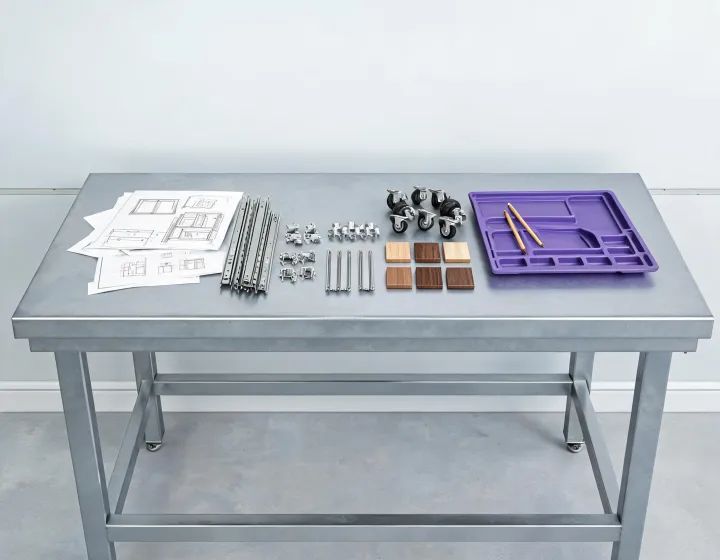
Each desk handles a different risk in cabinet and general hardware procurement, keeping communication short and traceable.
Hardware families are checked against cabinet depth, door swing, drawer load, finish direction and mounting constraints so the bill of materials is not built around guesses.
Decorative pulls, knobs, hinges, brackets and visible casters are grouped by finish language to reduce mixed-metal surprises across connected spaces.
Items can be discussed by room, fixture bank, cabinet type or service zone, giving installers a more readable path from carton to workstation.
Recurring SKUs are isolated for maintenance teams that need future hinge, slide, lock or caster replacements without reopening the full selection process.
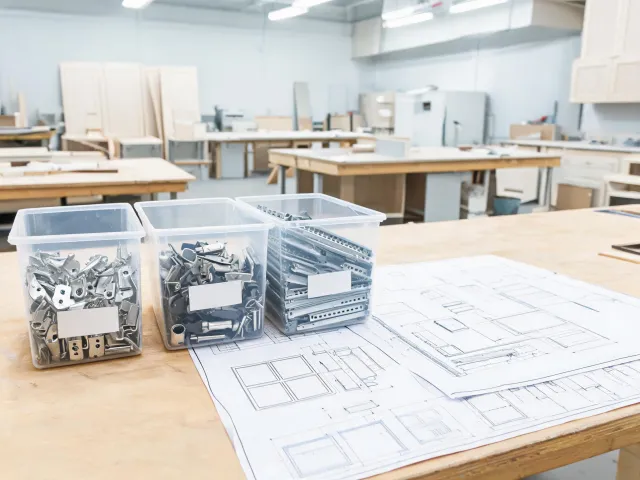
A millwork team preparing casework for multiple rooms needed faster alignment between visible pulls, concealed hinges and drawer slide options. Richelieu organized the hardware into finish groups and movement groups, then separated substitutions that would affect drilling or door reveal. The result was a shorter approval conversation because the team could see which alternates were aesthetic and which ones changed installation assumptions.
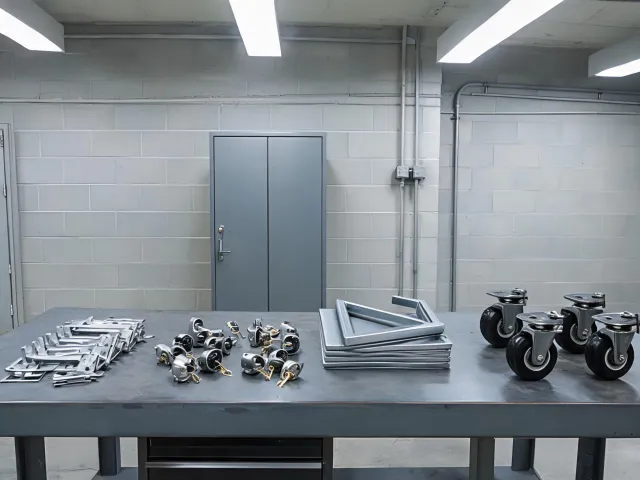
A facilities group wanted to standardize cabinet repairs without replacing entire storage runs. The service desk separated functional replacements from cosmetic upgrades, then helped the team keep a recurring list for hinges, locks, shelf supports and casters. Maintenance staff could order for the next service cycle with fewer one-off searches and fewer finish mismatches in public spaces.
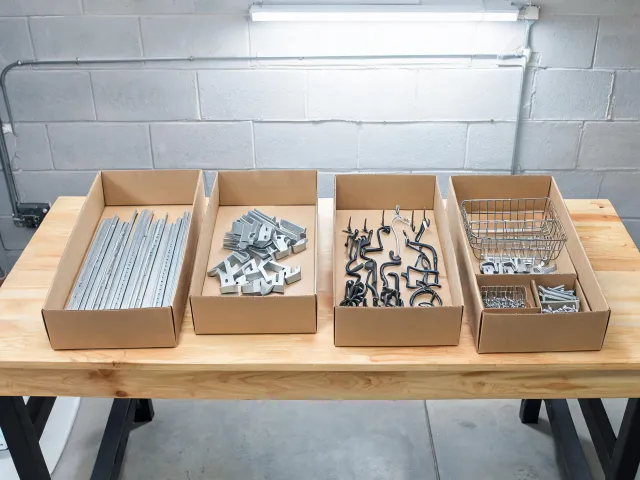
A contractor coordinating garage organization kits needed hardware grouped by wall zone rather than product family. Richelieu helped translate the request into rails, hooks, brackets, fasteners and accessory groups that matched the installation route. Crews could move across the space without opening unrelated cartons, which kept the job organized and made missing parts easier to identify early.
Richelieu can help identify the next practical decision: finish approval, movement review, storage grouping, or replenishment planning.